

In 2026, the US legal landscape has seen a rise in “Nuclear Verdicts”—jury awards exceeding $10 million for relatively common accidents. For a real estate investor, a single “slip and fall” incident on a rental property could potentially wipe out an entire life’s work. Protecting your portfolio requires more than just a basic policy; it requires a multi-layered Liability Defense Strategy.
1. General Liability vs. Professional Liability (E&O)
Most investors confuse these two, but for a high-CPC blog, explaining the difference is gold:
-
General Liability (GL): Covers physical risks—someone gets injured on your property or you accidentally damage a neighbor’s building.
-
Professional Liability (Errors & Omissions): If you provide advice, manage properties for others, or fail to disclose a structural issue during a sale, E&O protects you from “financial loss” claims.
-
CPC Tip: Keywords like “Errors and Omissions Insurance for Realtors” attract premium ads from specialized legal insurers.
2. The Power of the “Commercial Umbrella Policy”
A standard landlord policy usually caps liability at $500,000 or $1 million. In today’s litigious environment, that is often not enough.
-
What it does: An Umbrella Policy sits on top of all your other policies. If you are sued for $3 million but your base policy only covers $1 million, the Umbrella covers the remaining $2 million.
-
Cost vs. Value: In 2026, a $1M Umbrella policy costs roughly $200–$400 per year—a small price for absolute peace of mind.
-
Best Providers: Travelers, Chubb, and Nationwide are leading the market in 2026 with specialized umbrella products for LLC-held portfolios.
Liability Insurance Comparison for 2026
| Insurance Type | Coverage Focus | 2026 Risk Level | Best For |
| General Liability | Bodily Injury / Property Damage | High | Every Property Owner |
| Umbrella Policy | Excess Liability ($1M – $10M+) | Critical | Multi-Property Portfolios |
| Cyber Liability | Data Breaches (Digital Records) | Rising | Property Management Firms |
| Workers’ Comp | Employee/Contractor Injuries | Legal Requirement | Investors with Staff |
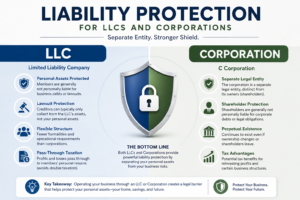
3. Liability Protection for LLCs and Corporations
Holding property in your personal name is a major liability risk. Savvy investors use Limited Liability Companies (LLCs) to “silo” their assets.
-
Corporate Veil: If an accident happens at “Property A” held under “LLC 1,” your personal home and “Property B” (under a different LLC) are generally protected from the lawsuit.
-
Insurance Requirement: Ensure your insurance policy is in the name of the LLC, not your personal name, to maintain this legal shield.
4. 2026 Trends: AI and Risk Mitigation
In 2026, insurance companies like Liberty Mutual and The Hartford are offering “Risk Maturity” discounts.
-
Smart Tech: Installing IoT (Internet of Things) devices like water-leak sensors and AI-monitored security cameras can reduce your liability premiums by up to 15%.
-
Documentation: Keeping digital logs of every repair and inspection shows “Due Diligence,” which is your best defense in court.
5. Why You Need “Wrongful Eviction” Coverage
A rising trend in real estate litigation is “Wrongful Eviction” or “Privacy Violation” lawsuits. High-coverage liability policies (like those from Progressive Commercial) now include specific riders to protect landlords from disgruntled tenants claiming harassment or illegal entry.
Conclusion: Don’t Wait for the Summons
In the US market, it’s not a matter of if you will face a liability claim, but when. By layering General Liability with a robust Umbrella Policy and holding assets in LLCs, you ensure that your real estate portfolio remains a source of wealth, not a legal nightmare.